
Quick Answer
Urinary stones are hard mineral deposits in the kidneys, ureter, or bladder causing severe pain, burning urination, and blood in urine, often from dehydration or diet. Aaravya Hospital treats them with medication for small stones, ESWL, endoscopic URS/RIRS, PCNL for large stones, cystolithotripsy for bladder stones, plus long-term prevention guidance.
At Aaravya Hospital, we offer advanced and effective treatment for urinary stones (kidney stones, ureteric stones, bladder stones) using modern, minimally invasive and endoscopic techniques. Our experienced urologists focus on pain relief, safe stone removal, and preventing recurrence with proper guidance and follow-up care.
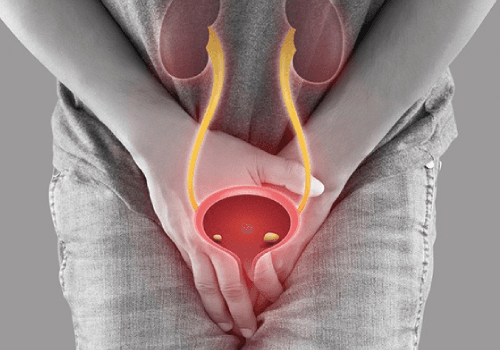
Urinary Stones are hard deposits made of minerals and salts that form in the kidneys, ureter (tube connecting kidney to bladder), or bladder. They can cause severe pain, burning, blood in urine, and infection. If not treated on time, stones can damage the kidneys or block the flow of urine.
Less water intake and dehydration; high salt, high protein, or high oxalate diet; family history of kidney/urinary stones; recurrent urinary tract infections; certain medical conditions (like high uric acid, metabolic disorders); sedentary lifestyle and obesity.
1. Medical Management (for Small Stones)
Pain relief medications to control stone pain (renal colic), medicines to relax urinary tract muscles and help small stones pass naturally, antibiotics if there is associated infection, and increased water intake with dietary advice.
2. ESWL (Shock Wave Lithotripsy)
A non-invasive procedure where sound/shock waves are used to break stones into small fragments from outside the body, usually used for small to medium-sized kidney stones; stone pieces then pass naturally through urine over time.
3. URS (Ureteroscopy) / RIRS (Retrograde Intra-Renal Surgery)
A thin endoscope is passed through the urine passage (urethra and bladder) into the ureter or kidney; stones are visualized directly and broken using laser, then removed, with no major cut on the body — minimally invasive and fast recovery.
4. PCNL (Percutaneous Nephrolithotomy)
Recommended for large or multiple kidney stones. A small keyhole is made in the back to access the kidney directly; stones are broken and removed using special instruments; effective for complex or large stone burden.
5. Cystolithotripsy (for Bladder Stones)
Endoscopic procedure to break and remove stones from the bladder using laser or other energy sources.
6. Prevention and Long-Term Stone Management
Evaluation of stone type (stone analysis if available), diet modification and lifestyle advice to reduce recurrence, guidance on water intake, salt restriction, and avoiding stone-forming foods, plus regular follow-up and ultrasound checks when needed.
Procedure detailsSevere side or back pain, burning urine, or blood in urine may be a sign of urinary stones and should not be ignored. Early diagnosis and proper treatment can prevent kidney damage and repeated attacks of pain. Visit Aaravya Hospital for expert evaluation and advanced Urinary Stones treatment in Ahmedabad. Our team is committed to giving you safe, effective, and long-lasting relief from Urinary Stones.